
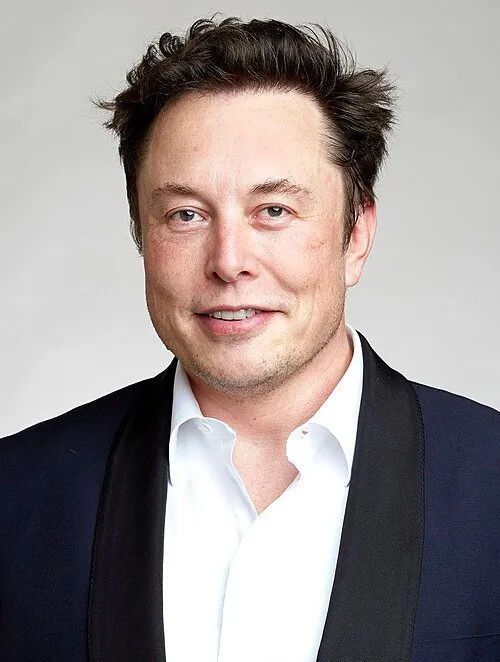
Advertisers on X will soon have to worry about more than whether an ad is accurate. They will also have to worry about whether it looks good enough. In a post on Friday, October 16, Elon Musk announced that all advertising on the platform will be subject to what he called a reasonable aesthetic standard, and that advertisers who fall short could lose the ability to advertise altogether.
Musk put the rule in plain terms. "Going forward, all advertising on X will be subject to a reasonable esthetic standard," he wrote. "Advertisers who post ads that are ugly, shrill, strident or overstate claims about their product will be barred from advertising." In a follow-up post about an hour later, he asked users to help enforce it: "Please report ugly or misleading ads to X @Ads," pointing reports to the platform's official Ads account.
What the announcement does not include is just as notable. Musk did not define what counts as ugly, shrill, or strident, did not say who will judge an ad against the standard, and did not give a start date for enforcement. He also did not say whether being barred would apply to a single ad, a campaign, an account, or an entire company, or whether an advertiser would get a warning or a chance to appeal first. The Verge, which reported the posts the same day, noted that Musk did not elaborate on how the standard would work.
The new layer sits on top of rules X already has. Under its existing advertising quality guidelines, ads must use proper grammar and spelling, avoid excessive capitalisation and symbols, and refrain from using hashtags or URLs in ad text. Visuals are expected to avoid looking gimmicky or excessively cropped, and advertisers are told to steer clear of indecipherable images and videos, aggressive flashing effects, and loud noises. Separately, X already prohibits deceptive advertising, including exaggerated or misleading claims, clickbait, fraudulent promotions, and offers that are not actually available.
There is also a precedent for an aesthetic rule becoming real policy. In June 2025, Musk announced a ban on hashtags in paid advertisements, describing them as an aesthetic nightmare. That restriction was later written into X's advertising quality guidelines, even though hashtags remain perfectly acceptable in ordinary posts. Advertisers deciding how seriously to take the new announcement may reasonably treat that history as a guide.
For brands and agencies, the practical takeaway is caution rather than panic. Clean design, readable text, calm audio, and claims that can be backed up were already the safer route under the existing guidelines, and they are the obvious way to stay clear of the new standard, however it is eventually defined. What advertisers cannot do yet is plan precisely, because the line between attention-grabbing and strident has not been drawn in public. Until X publishes criteria, examples, or an enforcement process, the aesthetic standard is best understood as a direction of travel: the platform wants its paid posts to look and sound better, and its owner is willing to bar advertisers who do not comply.